Miniature woodworking and miniature furniture construction necessitate the use of specialized hand tools. These tools are used for undertakings requiring basic to expert skill levels. You don't have to buy all of these tiny tools at once.
Examine your projects to see which tools you will require, adding items to your collection as your miniature woodworking talents develop or increase.
1. Razor Saw and Miter Box
The backbones of most miniature woodworking are fine-toothed razors or gentleman's saws and mitre boxes that will work with them. Straight cuts, veneers, and some joins can all be made with a razor saw. Make sure your razor saw has a deep enough blade to fit into your chosen mitre box. When coupled with a block of wood to limit length, the mitre box and razor saw can cut numerous pieces of wood to the same length, which is handy for constructing items like small table legs.
Except for its various uses in cutting trim and mouldings, the razor saw isn't designed to cut through huge chunks of wood and isn't feasible for dollhouse builders.
2. Miniature Drills
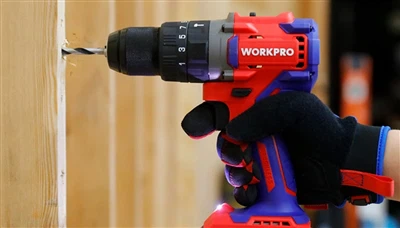
Miniature drills, whether in the shape of pin vices or push drills (also known as Archimedes drills), are extremely useful for both wood and metal miniatures. Choose a small drill based on how you prefer to work and whether you will solely use it for drilling or whether you will also use it to hold stuff. A pin vice, for example, may easily hold the wire for the base of a miniature figure armature, allowing you to clamp the pin vice into a vice to keep your creation steady as you shape it.
Push drills are only for drilling. Another factor to consider with tiny drills is the size of the chuck (or holder) for the drill bits. If you work on bigger scales or need to drill holes for fine dowelling, you may need a drill that accommodates larger bits than the conventional micro drill.
3. Files for Metal and Woodwork
Miniature files, which are frequently available at rock shops, jewellery stores, and speciality hobby stores, are ideal for creating even curves and recesses on small pieces of wood. If you wish to work towards a specific shape, a collection of files will help you keep your shapes consistent. Files, depending on their fineness, can also remove a good quantity of wood faster and with less tearing than fine sandpaper. Although sandpaper or nail files can be used on a toothpick or other shape, miniature files are useful to have on hand for both metal and woodwork in miniature.
4. Jeweller’s Saws or Piercing Saws
This type of saw is essential for cutting curves in wood or metal, such as in jewellery making. Make sure your circular saw has a wide enough throat to cut through your largest piece of work. Metal and wood cutting blades are readily accessible. Blades from 0 to 5 or 6 can be used for wood. It is important to get additional blades for your jeweller’s saw, as well as a bench extension that allows you to effortlessly manoeuvre your saw and your work.
5. Miniature Chisels
Miniature chisels are used in miniature woodworking in the same way that full-scale chisels are. They are most commonly used for cutting lines with clean edges or clearing out wounds. Lines can also be graved or engraved with chisels in metal and wood.
6. Craft and Carving Knives
Another essential of the woodworker's bench is craft knives or knife holders that accommodate scalpel blades. They are generally used to mark or carve wood, but they can also be used to cut thinner craft wood pieces. Many craft knife handles will only accept specific blade sizes, so choose a knife based on the blade types you anticipate using.
7. Squares for Accurate Marking and Alignment
Squares are devices that aid in the designing and marking of precise cutting lines for miniature projects. When assembling miniature furniture, they also assist you in ensuring that your corners are straight and true. Many beginning miniaturists do not use this instrument. More experienced miniaturists understand that utilizing an engineer's square makes it much easier to cut perfect lines for furniture, reducing the amount of file, sanding, or other processes necessary to rectify out-of-square parts. A little engineer's square is very useful when items have a lot of square corners and fit is critical.
8. Glueing Jigs and Clamps
Magnetic glueing jigs are commonly used by miniaturists to keep items square while the glue cures. Others, depending on the size and shape of the miniature, utilize quick-release bar clamps or, in some cases, corner clamps. If you don't have clamps, you can make do with weighted boxes or tiny grocery boxes, such as rectangular salt or baking soda boxes, until you can get appropriate clamps or jigs. Scraps of wood pressed against the miniature with precisely placed rubber bands can also be used for some miniatures.
9. Three Simple Tools
Some things make it much easier to work on miniature projects. These are three easy tools that you will use repeatedly during your small career. They are as follows:
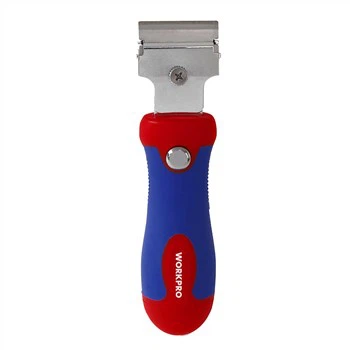
-Razor blade scraper made of plastic
-Glue bottle holder turned upside down
-A spreader for plastic glue
The glue bottle holder may be difficult to locate. It's a toothbrush holder, but comparable things exist and serve the same function. To keep your woodwork tidy, you may want to use glue syringes or precision-tipped glue bottles.