When tackling fastening or drilling projects, many DIYers wonder: should I reach for a cordless drill or an impact driver? While they look similar, these tools serve different purposes. Knowing when to use each will save time and us from frustration.
What's the Difference?
Cordless Drill
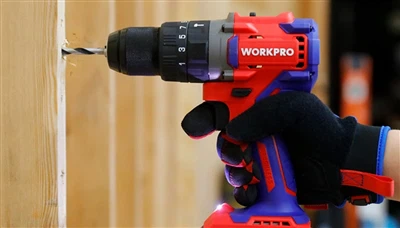
Multi-purpose tool for drilling and driving
Adjustable torque and speed
Great for precision and versatility
Impact Driver
High-torque tool with rotational impacts
Drives screws fast without stripping
Compact and powerful for heavy-duty work
⚙️ When to Use a Drill
✅ Best For:
Drilling pilot holes in wood, metal, or plastic
Driving small- to medium-sized screws
Furniture assembly or shelf installation
Example: Installing curtain rods or building a bookshelf? The drill is perfect.
When to Use an Impact Driver
✅ Best For:
Driving long screws or lag bolts
Decking, framing, or outdoor projects
Repetitive fastening tasks
Example: Building a deck? An impact driver will power through dozens of screws with ease.
Why Not Use Both?
Drills handle drilling and lighter work, while impact drivers dominate heavy-duty fastening. Many DIYers keep both for maximum flexibility.
Quick Tip Chart
|
Job Type |
Best Tool |
|
Drilling pilot holes |
Drill |
|
Driving deck screws |
Impact Driver |
|
Assembling IKEA furniture |
Drill |
|
Installing lag bolts |
Impact Driver |
DIY Project Idea: Raised Garden Bed
Use a drill to create pilot holes in lumber, then switch to an impact driver to drive in long screws securely. In a single afternoon, you'll have a sturdy raised bed ready for planting.
Final Thoughts
Cordless drills bring versatility, while impact drivers deliver raw fastening power. Together, they cover almost every home project. Explore WORKPRO's cordless drill and driver sets at www.workprotool.com.