

Digital clamp multimeters are versatile tools that combine the functions of a multimeter and a clamp meter. They are invaluable for electricians, engineers, and hobbyists for measuring various electrical parameters. In this comprehensive guide, we'll explore what digital clamp multimeters are, their components, and how to use them effectively.
What is a Digital Clamp Multimeter?
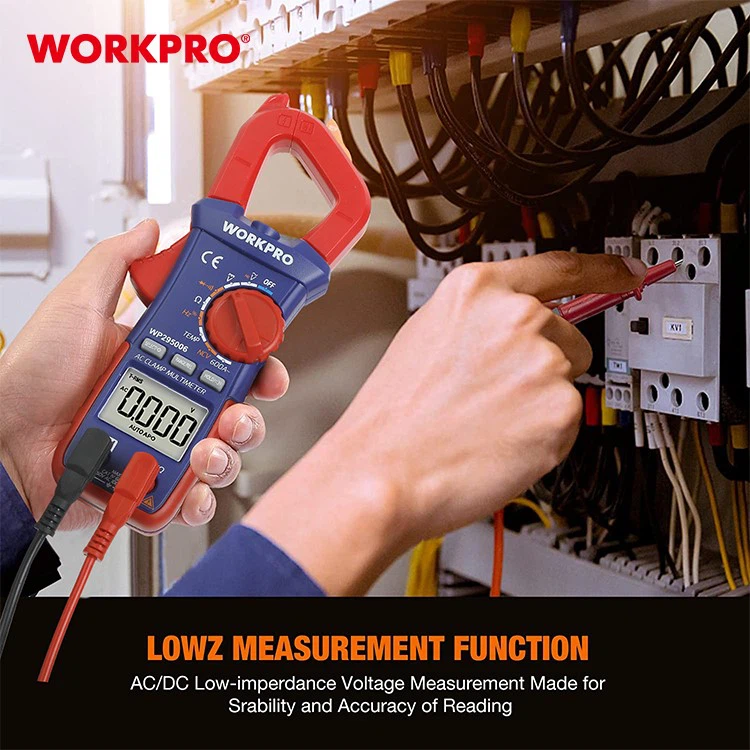
A digital clamp multimeter, often referred to as a clamp meter or amp clamp, is a handheld electrical test tool that measures electrical current and voltage. Unlike traditional multimeters, which require you to make direct contact with the wires you're testing, clamp multimeters can measure current without disconnecting the circuit, making them safer and more convenient for various applications.
Components of a Digital Clamp Multimeter
1. Clamp Head: The hinged jaw at the front of the multimeter is designed to encircle a conductor to measure current without making physical contact. It contains a sensor that detects the magnetic field produced by the flow of current.
2. Display: The digital screen shows measurement values, mode settings, and other important information. Some models have backlit displays for use in low-light conditions.
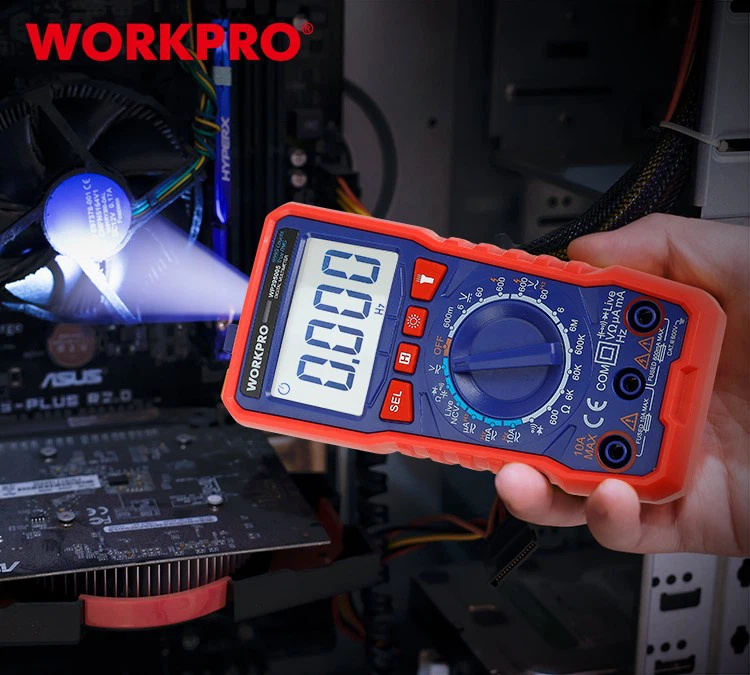
3. Rotary Dial or Buttons: These controls allow you to select the measurement function (e.g., current, voltage, resistance, etc.), range, and other settings.
4. Jacks: Digital clamp multimeters usually have two jacks, one for the red test lead and another for the black test lead, to measure voltage and resistance.
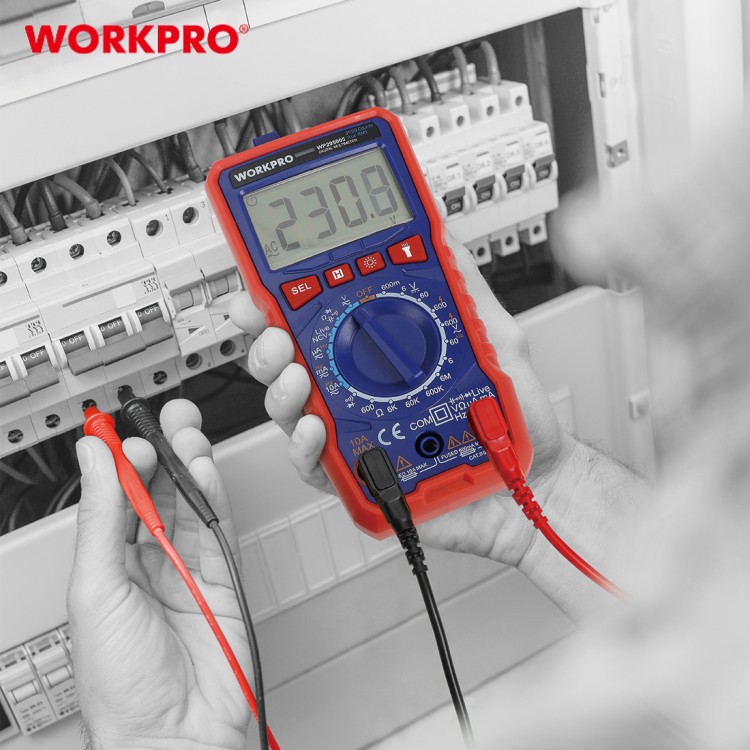
5. Test Leads: These are connected to the jacks and allow you to make voltage, resistance, and continuity measurements.
6. Battery Compartment: This is where you insert the batteries that power the clamp multimeter.
How to Use a Digital Clamp Multimeter
1. Safety Precautions
Before using a digital clamp multimeter, ensure that you follow these safety precautions:
• Turn Off Power: Always turn off the power to the circuit you're testing before making any measurements.
• Wear Safety Gear: Depending on the application, you may need to wear safety gloves and goggles.
• Inspect the Multimeter: Check for any visible damage or loose connections on the multimeter.
2. Select the Measurement Mode
Turn the rotary dial or use the buttons to select the measurement mode you need, such as AC, DC, voltage, resistance, or continuity.
3. Open the Clamp Jaw
To measure current, open the clamp jaw and encircle the conductor or cable you want to test. Ensure that the conductor is positioned correctly inside the jaw.
4. Read the Display
The digital display will show the measured value in real time. Pay attention to the unit of measurement and any other relevant information displayed.
5. Range Selection
Some clamp multimeters allow you to manually select the measurement range, while others have an auto-ranging feature. If manually selecting, choose the appropriate range based on your expected measurement.
6. Record the Measurement
Take note of the measurement value for your records.
7. Turn Off the Multimeter
After you've completed your measurements, turn off the multimeter to conserve battery life.
Digital clamp multimeters are essential tools for anyone working with electrical systems. By following the safety precautions and steps outlined in this guide, you can use them effectively for a wide range of electrical measurements and troubleshooting tasks. Whether you're a professional electrician or a DIY enthusiast, having a good-quality digital clamp multimeter in your toolkit can save you time and help you maintain electrical safety.
The Essential Role of Digital Clamp Multimeters
In the world of electronics, electrical engineering, and even basic household maintenance, accurate measurement of electrical parameters is essential. A digital clamp multimeter is a versatile and indispensable tool designed for precisely this purpose. This blog will delve into the fundamental role and applications of digital clamp multimeters, highlighting their significance in various industries and everyday life.

The Role of Digital Clamp Multimeters
1. Current Measurement: One of the primary roles of a digital clamp multimeter is measuring electrical current. Traditional multimeters require breaking the circuit to insert the meter, which is often impractical or unsafe. Clamp meters, on the other hand, can measure current without disconnecting the circuit, making them invaluable for troubleshooting and maintenance tasks.
2. Voltage Measurement: Digital clamp multimeters are also used for measuring voltage in various electrical systems, whether for household appliances, automotive diagnostics, or industrial machinery. The convenience of a clamp meter lies in its ability to measure voltage without direct contact with live conductors.
3. Resistance and Continuity Testing: These meters can assess the resistance of electrical components and conduct continuity tests to determine if a circuit is complete or if there are any breaks.
4. Power Measurements: Some advanced clamp meters can calculate power (active and apparent) and energy consumption. This is particularly useful for assessing energy efficiency and power quality in industrial and commercial settings.
5. Frequency and Temperature Measurement: Depending on the model, some clamp meters can measure the frequency of an AC signal or even the temperature of an object using external probes. 6. Non-Invasive Troubleshooting: One of the significant advantages of clamp meters is their non-invasive nature. They can diagnose issues in live circuits without disrupting power or causing downtime, which is crucial for maintenance, repair, and safety.

Applications in Different Fields:
1. Electrical Maintenance and Troubleshooting: Electricians and maintenance professionals use clamp meters to identify faulty components, detect electrical overloads, and troubleshoot circuit issues quickly and safely.
2. Automotive Diagnostics: In the automotive industry, clamp meters are used to measure current in ignition systems, check battery health, and troubleshoot electrical problems in vehicles.
3. HVAC and Refrigeration: HVAC technicians use clamp meters to measure current and voltage in heating and cooling systems, ensuring proper operation and efficiency.
4. Industrial Settings: In manufacturing and industrial environments, clamp meters are vital for assessing the performance of motors, pumps, and other machinery, as well as monitoring power consumption.
5. Energy Auditing: Energy auditors use clamp meters to measure power usage and identify areas for energy conservation in commercial and residential buildings.
6. Measuring Current: Clamp multimeters excel at measuring current in both AC and DC circuits. This is useful for troubleshooting and checking the load on a circuit.
7. Measuring Voltage: They can measure AC and DC voltage, helping you check electrical outlets, batteries, and circuits. 8. Continuity Testing: Use the continuity mode to determine if a circuit is complete. It's often used for checking fuses and ensuring wires are connected.
9. Resistance Measurement: Digital clamp multimeters can measure resistance in ohms, making them handy for diagnosing electrical issues.
10. Troubleshooting Electrical Problems: They are indispensable tools for identifying issues like short circuits, overloads, and faulty components.
11. Harmonic Analysis: Some advanced models can analyze harmonics, making them useful for diagnosing power quality issues.
Conclusion
Digital clamp multimeters are versatile tools with a wide range of applications in electrical measurement and troubleshooting. Their non-invasive nature, accuracy, and ability to measure various electrical parameters make them essential for professionals in various fields, from electricians and automotive technicians to HVAC specialists and energy auditors. These devices play a crucial role in ensuring the safety, efficiency, and reliability of electrical systems in diverse industries and everyday life.