

Choosing the right-hand tools for your woodworking projects is essential to ensure accuracy, efficiency, and safety in your work. In this blog post, we'll provide you with a step-by-step guide on how to select the best hand tools for your woodworking needs.
1. Understand Your Project Requirements:
• Before you start shopping for hand tools, it's crucial to have a clear understanding of the woodworking project you're undertaking. Consider factors like the type of wood you'll be working with, the size and complexity of the project, and the desired level of precision.
2. Quality Matters:
• Invest in high-quality hand tools. Well-made tools not only perform better but also last longer, making them a cost-effective choice in the long run. Look for reputable brands known for their craftsmanship.
3. Essential Hand Tools:
• While the specific tools you need will vary based on your project, here are some essential hand tools for woodworking:
• Chisels: Chisels come in various sizes and are used for carving, shaping, and cleaning up joints.
• Saws: A combination of handsaws, like a crosscut saw and a rip saw, will be necessary for cutting wood.
• Clamps: Clamps are essential for holding pieces together while glue dries or for securing workpieces during various tasks.
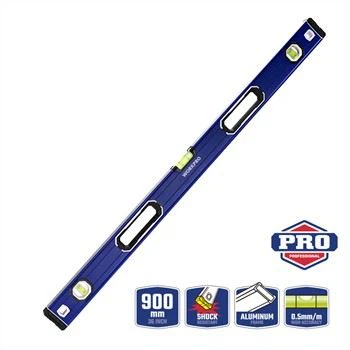
• Squares: A combination square and a try square are invaluable for checking and marking angles and ensuring your work is square.
• Marking and Measuring Tools: Calipers, measuring tapes, and marking gauges help you achieve accurate measurements and layouts.
4. Ergonomics and Comfort:
• Consider the ergonomics and comfort of the tools you choose. Since you'll be using them for extended periods, tools with comfortable handles that fit your hand well are essential to reduce fatigue.
5. Tool Maintenance:
• Be aware of the maintenance requirements of the tools you select. Proper cleaning, sharpening, and storage will prolong their lifespan and maintain their performance.
6. Safety Features:
• Ensure that your tools have appropriate safety features. For example, chisels and knives should have a secure way to protect the sharp edge when not in use.
7. Budget Considerations:
• While quality is essential, it's also crucial to stay within your budget. Make a list of the tools you need most urgently and prioritize those for purchase.
8. Seek Recommendations:
• Don't hesitate to ask for recommendations from experienced woodworkers or consult online woodworking communities and forums for advice on specific tool brands and models.
9. Try Before You Buy:
• If possible, try out the tools in a store or workshop to get a feel for their weight, balance, and usability. This can help you make an informed decision.
Remember that the right-hand tools can greatly enhance the quality of your woodworking projects. By carefully considering your project requirements, investing in quality tools, and maintaining them properly, you'll be well on your way to creating beautiful and functional woodwork.
Essential Hand Tools for Woodworking
Woodworking is a rewarding and creative hobby or profession that allows you to transform raw timber into functional and decorative items. While there are countless power tools available, hand tools remain essential for precision, craftsmanship, and the joy of working wood by hand. In this blog post, we will explore some of the essential hand tools every woodworker should have in their workshop.
1. Chisels:
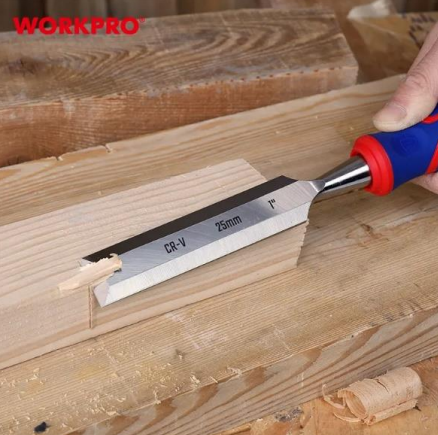
Chisels are fundamental tools for cutting, carving, and shaping wood. They come in various sizes and shapes, and a set of good quality chisels is indispensable for tasks like mortising, paring, and removing waste wood.
2. Hand Planes:

Hand planes are used for smoothing and flattening wood surfaces. A block plane, a smoothing plane, and a jack plane are some of the essential types to have. They are crucial for achieving a smooth and level finish.
3. Saws:

A variety of hand saws are necessary for different woodworking tasks. Key saws include a crosscut saw for cutting across the wood grain, a rip saw for cutting with the grain, and a dovetail saw for fine joinery work.
4. Marking and Measuring Tools:

Precision is paramount in woodworking. Tools like a combination square, marking gauge, and a good quality tape measure are essential for accurate measurements and layout.
5. Clamps:

Clamps are crucial for holding wood pieces together during glue-ups and while waiting for adhesives to dry. You'll want a selection of different clamps, including bar clamps, pipe clamps, and spring clamps.
6. Mallet and Hammer:
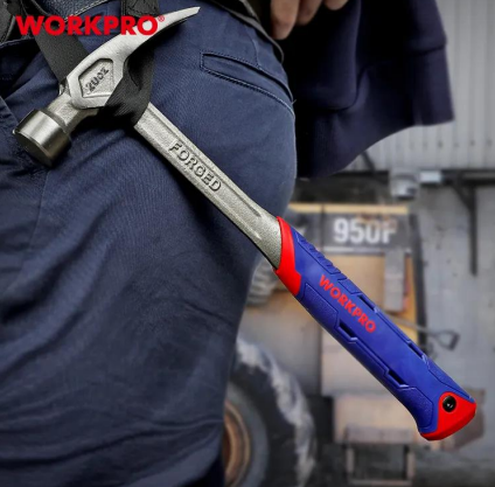
A wooden mallet is used to tap chisels and other tools gently without damaging them, while a claw hammer can be handy for general woodworking tasks.
7. Screwdrivers:

Screwdrivers are needed for attaching hardware and securing joints with screws. Having a variety of sizes and types will be beneficial.
8. Sharpening Tools:

Sharp tools are essential for quality woodworking. Invest in sharpening stones or systems to maintain the edges of your chisels, planes, and saws.
9. Files and Rasps: These tools are useful for shaping and smoothing wood, particularly in curved or irregular areas. They come in various shapes and coarseness levels.
10. Block Plane: A block plane is a versatile tool for fine-tuning edges, chamfering, and smoothing end grain.
11. Scrapers: Scrapers are excellent for removing fine shavings and smoothing surfaces. They can be indispensable for finishing work.
Conclusion: These essential hand tools for woodworking form the foundation of a well-equipped woodworking shop. While power tools can expedite some tasks, hand tools offer precision and a deeper connection to the craft. As you gain experience, you may expand your collection to include specialized tools, but starting with these basics will set you on the right path to becoming a skilled woodworker. Remember, the key to successful woodworking is practice, patience, and continuous learning.