I have a hidden, dark secret: I enjoy anchoring objects to concrete. It's a strange addiction. I began doing it in college. There are numerous sorts of concrete anchors to pick from, but I bypassed the small plastic anchors in favour of the heavier material. Bolting multi-ton outdoor sculptures to concrete pads with 1/2- inch or bigger lead shields. I soon switched to sleeve anchors. I eventually switched to wedge anchors. Redheads, for those who are aware. I'm not proud of myself. I tried to break the habit after 35 years, but it was impossible. I can't stop myself. It's just too much fun if you do it well.
If you utilize concrete anchors incorrectly, you will have a very frustrating experience. It has the potential to cause severe bodily harm to your power instruments (possibly wanting to throw them in the nearest lake while uttering many profane words). Each anchor is installed in its unique way, and each has its eccentricities. If you don't sure which one to utilize in which case, this might be frustrating. Hopefully, this post can clear up any misunderstandings.
TYPES OF CONCRETE ANCHORS
The most powerful anchoring systems use resin-based anchors that are installed with two-part epoxy. These are most typically seen on industrial and commercial projects and are either too expensive or too specialized to be used daily unless specified by an architect or engineer. Some anchors have bolt heads that snap off at a specific torque threshold. They leave the threaded bolt and flange to show the exact torque applied to the anchors. These are likewise incredibly expensive and are reserved for tasks requiring extremely fine tolerances and total safety. Consider a long-span bridge or a nuclear power plant. Those of us who don't work for corporations that pay $600 for a toilet seat often employ the following sorts of concrete anchors:

A selection of common forms of concrete anchors. Wedge anchors, sleeve anchors, large-diameter concrete anchors, lead shields, plastic anchors, and Tapcons are examples of these (concrete screws)
Sleeve Anchors and Wedge Anchors
Wedge anchors and sleeve anchors are both great types of concrete anchors that can support a significant amount of weight. They give pullout and shear force strength. Avoid reaching closer than 3 inches to the edge of the concrete because of the spitting/wedging power they exert on it. If you do, you risk breaking off a piece of the slab. Wedge anchors provide the most strength of the two and are my favourite anchor to utilize.


Sleeve Anchor Wedge Anchor
HOW TO INSTALL WEDGE AND SLEEVE CONCRETE ANCHORS – DRILLING
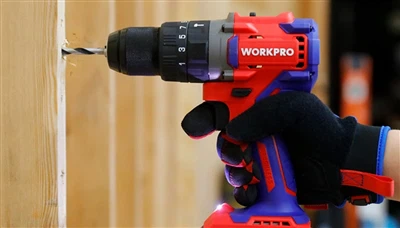
Both wedge and sleeve anchors are installed in the same manner. Insert the anchor after drilling the appropriate size hole using a hammer drill or rotary hammer drill. Hammer it into place. More on that later. The hole diameter is usually mentioned on the box and on the anchor itself. You must drill the hole at least a quarter-inch deeper than the anchor.

Drill into the base as much as possible, using it as a template. Do not mark your holes; instead, move the base out of the way, place the anchors, and then attempt to drop the base onto the anchors. That is asking for disaster because even a minor bump can distort the screw threads and damage the anchors. The operation must then be repeated with new holes and anchors.

Before putting the anchors, it is critical to remove any concrete dust. The dust alters the size of the hole and can cause some anchors to not fit properly. As a lubricant, the dust aids in the removal of anchors. I enjoy using a blower bulb. When using a dust extractor, a HEPA filter is required for OSHA Table 1 compliance.
DRIVING IN THE ANCHOR
After drilling the hole and inserting the anchor as far as it will go, drive the anchor the remainder of the way using a hammer or small sledgehammer, depending on the size of the anchor. Take extreme caution here. Take a look at the photographs below. Concrete wedge and sleeve anchors are classified into two categories. High-quality premium brands include additional metal at the top of the bolt to prevent screw thread deformation when hammering it in. Back off the nut on the inexpensive anchors so you don't hammer on the end of the bolt. Instead of hammering on the threads, you should hammer on the nut (see the photo on the far right). Regardless, do not apply undue force.

There are various sorts of anchors. The left side is of great quality,
which will aid in keeping the threads from deforming when you drive it in.

When you hammer a high-quality anchor into place,
this is how you position the nut.

Position the nut on the right anchor so that you are
hammering on the nut rather than the threads.
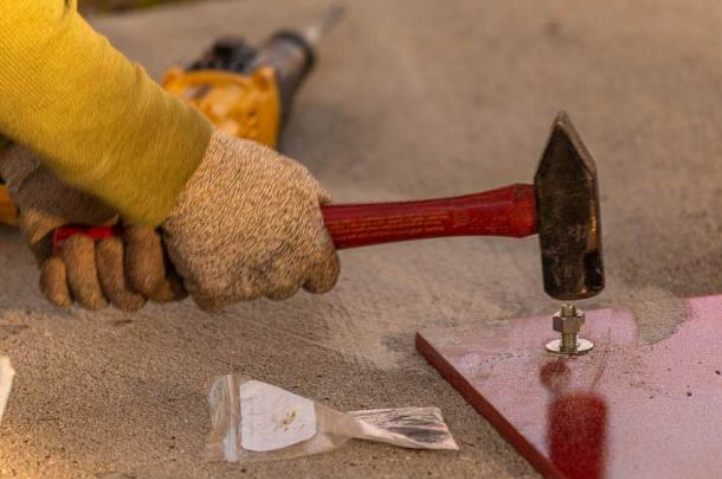
Driving in the Anchor entails much more than simply hammering it in after the hole has been made.
To avoid mushrooming the end of the bolt, take care.
When you distort it, the threads bind, causing the anchor to spin in the hole rather than expand.
Wedge and sleeve anchors cannot be removed. Instead, you must remove them with a grinder or reciprocating saw. Each sculpture is secured on a concrete pad with wedge anchors. We drilled through the 6-inch-thick concrete pads to install the new sculptures rather than cutting them off.
TIGHTEN THE NUTS ON THE CONCRETE ANCHOR
After removing the previous sculpture, we simply pounded the protruding anchor with a hammer, forcing it flat with the surface of the concrete. The pad is instantly ready for us to place the new sculpture. Drilling through the pad allows water to drain through. Otherwise, water in the holes can freeze and expand, causing the pads to shatter. Tighten the nuts when you've finished inserting the concrete anchors. To get into tight locations, utilize a socket set or ratcheting open-end wrench. Invest in a cordless impact wrench to save time when installing anchors with bigger 3/4-inch or 1 1/8-inch bolt heads. This significantly expedites the process of tightening concrete anchors.
Concrete Anchors with a Large Diameter
Concrete anchors with large diameters have several significant advantages over other types of concrete anchors. I've reused concrete screws in noncritical, indoor workloads as long as they go in a newly drilled hole. Because they do not expand, large-diameter concrete anchors can get closer to the edge of the concrete than wedge anchors. Concrete anchors with large diameters are 20% stronger than wedge or sleeve anchors. They certainly do install rapidly. They will not be installable using hand tools (perhaps the Incredible Hulk could). After drilling the right size hole, insert these huge concrete anchors with an impact wrench.

3/4-inch x 8-inch concrete anchor with a large diameter.
Plastic Anchors and Lag Shields (Lead Shields)
Lag shields (sometimes known as lead shields) and plastic anchors act in the same way. You drill the proper size hole, insert the anchor, and then screw it in. These are best suited for light-duty anchoring. This is especially true for plastic anchors, which we do not suggest for concrete where higher pull-out strength is required. Plastic concrete anchors are suitable for lightweight objects weighing between 30 and 50 pounds, depending on the size of the anchors.
While lead shields are useful, their use has declined due to the ease of use of wedge and sleeve anchors. The latter has a significantly firmer hold and is often easier to install and operate. However, lead shields offer one distinct advantage. Lag bolts with lead shields are supposed to be used. Screw eyes (screw eyebolts) with the same threads as lags can also be used. Lead shields are the only concrete anchors that can do this. When the screw eyes become too tight, use a construction screwdriver to turn them.
Concrete Screws
It is not an exaggeration to argue that anchors have altered the course of history. My first job was at an art gallery with brick walls, and it was my responsibility to hang the exhibits every month or two. Drilling holes and installing plastic anchors was a major pain. I would have given anything for an anchor back then, especially with an installation kit like the ones shown below. Plastic anchors did little to improve the appearance of the walls when we removed the exhibit and all that was left were little coloured circles on the wall. Powder-actuated fasteners are also known as Ramsets, a brand name. They are unique among anchors in that they do not require any prior drilling. Instead, they use a.22 calibre low-velocity gunpowder charge to drive specially hardened nails into the concrete through wood or metal. While they are rapid, they have the potential to burst the concrete around the nail, moving the board you were attempting to adhere to it. I prefer to use them in cinder block walls and wedge anchors in concrete.
Toggle Bolts: An Underappreciated Type of Concrete Anchor
When it comes to cinder blocks, toggle bolts are one of the most commonly utilized anchors. They take use of the cinder block's hollow cavity. Squeeze the anchor's wings together, folding them up as small as possible. Drill a hole large enough to allow the wings to slide through. Next, insert the wings into the hollow cavity, where they will spring open. Pull back on the bolt until the wings grasp, then tighten it. Toggle bolts are extremely powerful anchors. In the shot below, I changed the supplied bolt with an eye bolt so that I could connect a rope to the anchor.
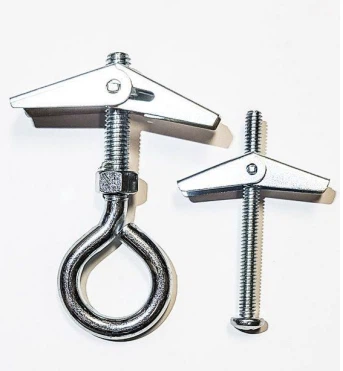
Toggle the bolt to the right.
I replaced the bolt on the left with an eye bolt.

Squeezing the wings together to fit through the hole

"Through" toggle bolt with wings spread.
The 1/4 represents the bolt diameter.
TOOLS FOR INSTALLING VARIOUS TYPES OF CONCRETE ANCHORS
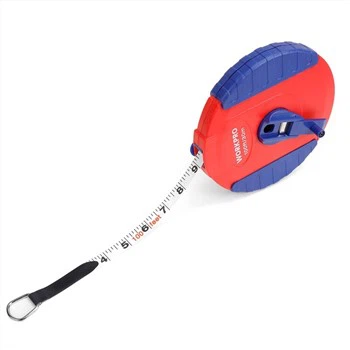
Basic Concrete Anchor Kit Intended for use with anchors up to 5/16-inch in diameter.
• Cordless hammer drill
• Masonry bits
• Hammer
• Adjustable wrench
• PPE (Gloves)

Pro Concrete Anchor Installation Kit - Suitable for Tapcons and 3/4-inch Anchors
• Rotary hammer drill with HEPA dust extractor built-in
• Bits for SDS Plus
• Tapcon SDS Plus parts and installation kit (not shown)
• HEPA vacuum cleaner (not pictured)
• 3 to 4-pound engineering hammer
• Screwdriver for construction
• Impact wrench with construction socket handle and impact sockets
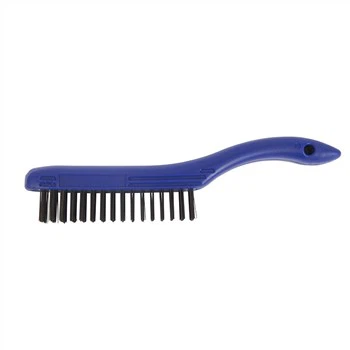
• If necessary, use a leaf blower to clear the surface following installation (hearing protection, eye protection, and a dust mask)
MY CONCLUSION
I've shown you a variety of concrete anchors. There are many more, such as hammer drive anchors, adhesive anchors, and epoxy anchors. Most residential construction sites will have the ones described in this article. Others may be introduced in larger commercial or industrial areas. I've used each of these for various reasons over the years, and each has a purpose. All types of concrete anchors are relatively simple to install with the right tools. Have a good time drilling! I'm sure I will.