

Due to its simplicity and adaptability, the ball pein hammer is one of the most regularly used instruments, but it is essential to know how to operate a hammer safely. Despite being ubiquitous, the ball pein hammer is responsible for over 30,000 injuries per year. Here are some safety tips for using a ball pein hammer. The ball pein hammer is the current form of the hammer. The ball pein hammer, which is mostly used for metalworking, is the hammer with which most people are familiar. It can be utilized for light hammerings, such as striking punches and chisels (usually performed with the flat face of the hammer). The peening face helps remove sharp edges from metal pins and fasteners, such as rivets. The hammer's ball face can also be utilized to create gaskets for mating surfaces. Suitable gasket material is placed over the surface for which a matching gasket is needed, and the operator lightly taps the gasket material around the borders of the mating surface to perforate it. As with any equipment, safety precautions should be followed for the protection of yourself and others when using a ball pein hammer to perform daily, simple repairs.

Click to learn more: WORKPRO BALL PEIN HAMMER
Best Practices for Using a Ball Pein Hammer Safely
Whether you're a construction professional who needs a refresher or an employer who wants to safeguard the safety of your staff, hammer safety requirements are essential to remember. Following are some suggestions for using a hammer safely, whether at work or home.
Create a Plan
The first step in performing any task safely is to develop a strategy. Before you swing your hammer, you should consider where you're swinging, what you're trying to do, and how hard you need to swing. Using a hammer without a good plan could result in significant injury to yourself and others.
Examine Your ball pein hammer
Ensure the handle is robust and securely fastened to the hammer's head. You want to avoid injuries or damage that could result from the head flying off the handle and hitting someone or something. Do not use the ball pein hammer if it is really old and rusted. The handle's wood may be decaying, or the steelhead may be corroded. In such situations, the hammer may shatter or the head may fly off again. Try tightening the head of a hammer with a screwdriver. If that doesn't work, you should try another hammer.
Use Goggles
While using a ball pein hammer is straightforward, there are always risks involved. It is possible to swing the hammer too far back and strike yourself in the eye with the claw. Or, debris from the hammer or the item you are utilizing could strike you in the face or eye. Make certain to wear safety eyewear and fasten them securely.
Use Gloves
Gloves are necessary to safeguard your hands when handling objects that demand a firm grip. Not only do gloves shield your hands from calluses and other minor injuries, but gloves with grips can also prevent you from losing control of your hammer.
Consider Before Swinging
Before hitting your hammer, look to the left, the right, and behind you. This will keep you from harming others or yourself. It can also prevent the hammer from becoming snagged on nearby objects. Especially if you are working in a shared place, it is essential to be aware of your surroundings.
Obtain a Secure Grip
The majority of hammers feature a rubber grip at the base of the handle. If not, the bottom of the handle should be widened so that it may be supported by the hand. Position your thumb as far up the handle as possible to manage the force of your swing.
Maintain Precision
It is extremely usual to strike your fingers with a hammer. Ensure that you have a practice swing and that the head of the hammer is aligned with the object before you swing. This will prevent thumb bruising and painful cries. Build up the swing's momentum. Swing gradually, beginning lightly and increasing force as the nail is driven deeper. Once the nail is securely in place, withdraw your hand so the toxoid causes avoidable damage. Inappropriate hammering can also be harmful. Swing with your entire arm, and avoid placing excessive strain on your shoulder or wrist.
Always Have a First Aid Kit Available
No matter how many precautions you take when handling equipment or performing tasks, accidents might still occur. As long as you have packed a first aid box with the required goods to treat any injuries that may occur, that is OK. There are two methods to acquire a first aid kit: purchasing one that is already assembled or assembling one yourself. If you prefer to construct your first aid kit, the American Red Cross has compiled a comprehensive list of goods you should include. In addition to keeping the necessary supplies in your kit, you should always have a first aid kit available in your house, workplace, or vehicle. We recommend purchasing multiple kits and placing them wherever you might need to deliver first aid.
Keeping your Ball Peen Hammer Clean
I bought a couple of antique ball peen hammers that needed to be cleaned up. I want to work with metal with some of my ball peen hammers, so they're receiving this treatment. This hammer is in good condition. The handle is straight, snug, and free of cracks. As a result, I will not be detaching the head from the handle. Cleaning the head would be easier without the handle, but it is still possible. I'll be cleaning up with an unbranded 8oz head hammer.
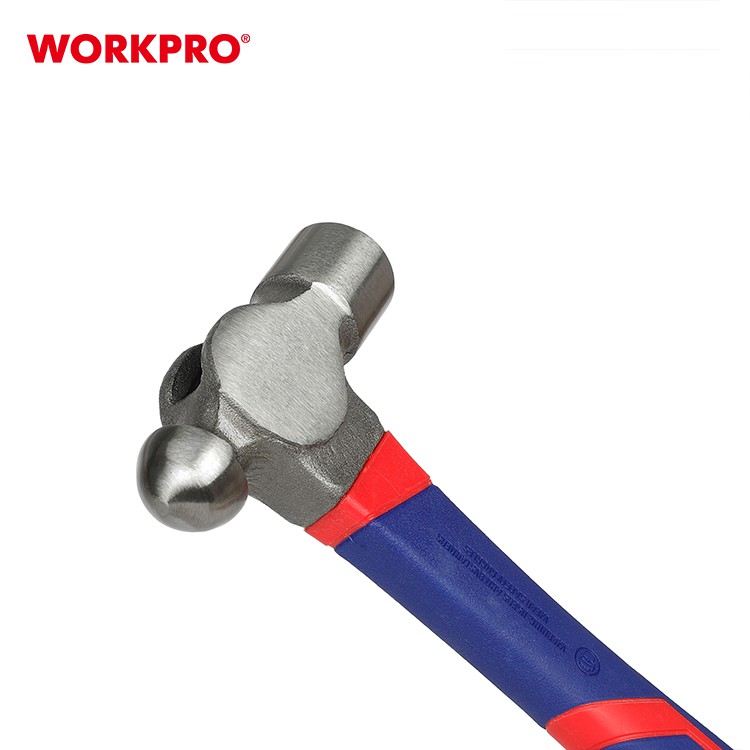
A smooth face is useful when working with sheet metal or thin plates with a hammer. With each strike, a rough face will texture the surface, leaving you with an issue to cope with later. You may wish to round the surface depending on what you intend to accomplish with the hammer. When pounding metal, a rounded face is advantageous because it distributes pressure over a smaller area and helps you to strike blows without leaving a sharp edge on the metal. The radius of the face is determined by how the hammer is used. If you're pounding into a depression, the radius of the face should be less than the radius of the depression. I made a cardboard template for my desired radius and then went to my small belt sander. I began by removing metal in circles with a 100-grit belt from the outside. I checked my progress with the template and ground as needed after each pass.

The 100-grit paper scratches the surface, necessitating the use of a finer belt. So, I switched to a 400-grit belt and went over the face again with a little touch. The 100- grit belt cuts considerably faster than the 400-grit belt, but be careful with the finer grit because it might leave flat places on the face. If you possess more ball peen hammers, you have the pleasure of repeating the process. In the centre is a 32-ounce hammer flanked by 24-, 12-, and two 8-ounce hammers. I may have a couple more that are not pictured. But hey, you can find hammers everywhere and help restore them! You can never have every hammer