Have you ever witnessed someone who works long hours yet still manages to maintain their vitality, happiness, and freshness? During this time, you can discover that you are feeling exhausted not just immediately after beginning your work, but also after you have returned home and attempted to relax. Now, this is where hand tools that are ergonomically designed come into play. In addition to preventing weariness, they also make your job more fun and reduce the amount of physical labour that is required of you.
Ergonomic hand Tools
Imagine putting in a long period using a standard tool. You might get a cramp in your hand, there is a possibility that your wrist will begin to hurt, and you might even feel tightness in your neck and shoulders. Not only does this discomfort have an impact on your work, but it also has the potential to leave you feeling exhausted and unpleasant. These concerns, on the other hand, become a great deal less irritating when you make use of ergonomics when working with hand tools.
It is the design of these products that holds the key to success. Because they take into account the natural alignment of your hand, they make it possible for you to work with a more relaxed grip and posture. Consequently, you will be able to do your responsibilities more effectively while experiencing less pressure on your body.
The ergonomic concerns that should be taken into account while designing hand tools are frequently neglected. Frequently, designers fail to take into account aspects such as the texture, the shape of the body, and how customers grip these things. If designers were aware of the significance and efficiency of ergonomics, they would place a greater emphasis on it during the design process.
Concerns with ergonomics are not limited to hand tools; they also arise when individuals go shopping for tools. They frequently place a higher value on the cost of the tool than they do on its convenience and comfort. However, if they were aware that spending a little bit more money on a product that was built for comfort and ease could improve their effectiveness at work, help them preserve their health, and save them time, they would most likely rethink their decision.
1.Hand Tools for Gardening That Are Ergonomic
The ergonomic hand tools used in industrial settings do more than merely make individuals feel more comfortable. They also assist workers to stay healthy, improve their performance at work, and reduce the likelihood of accidents occurring. Tasks that are difficult to complete become less difficult when these goods are created with ergonomics in mind. When workers are happy, they can accomplish more. These specialized items are designed for use in settings such as factories and construction sites, where they ensure that individuals can make themselves comfortable, remain safe, and perform their jobs effectively. The construction of these items is designed to alleviate physical strain, lessen feelings of fatigue, and limit the likelihood of accidents occurring.

Some examples of industrial hand tools that are ergonomically designed and commonly used in a variety of work situations are as follows:
-
Pliers that are constructed with comfortable, non-slip handles and a user-friendly grip are referred to as ergonomic pliers. These pliers are appropriate for operations such as gripping, bending, or cutting.
-
Ergonomic saws are hand saws that have handles that are meant to reduce the amount of strain placed on the wrist and to provide improved control while cutting a variety of materials.
-
When it comes to tightening or loosening bolts and nuts, ergonomic wrenches are adjustable wrenches that have ergonomic grips that allow for better control and less effort compared to traditional wrenches.
-
Hammers with shock-absorbing handles are known as ergonomic hammers. These hammers are designed to decrease the impact that the hammer has on the user's arm and hand, making them more comfortable.
-
Ergonomic staple guns are staple guns that have designs that are not only ergonomic but also lower the amount of effort necessary to drive staples, hence reducing the amount of hand and wrist strain experienced by construction workers.
2.Which hand tools are developed with ergonomics in mind?
There are two categories of ergonomic hand tools: dynamic loading ergonomic hand tools and static loading ergonomic hand tools. Both dynamic loading and static loading ergonomic hand tools are meant to make work more comfortable and safer. The ones that have dynamic loading are designed to handle activities that require a lot of movement and actions that are repeated over and over again. The impact that these repetitive actions have on your body can be mitigated with the help of these helpful gadgets. Lifting or turning things over and over again is made easier by the fact that they include handles that are comfortable to hold and features such as vibration reduction.
On the other hand, static loading ergonomic hand tools are ideal for jobs that need the user to hold a tool in one place for an extended period or to apply consistent force for a given time. When you are required to hold the tool in a single position, these goods are purposefully intended to be comfortable and to ensure that your hands do not become fatigued. Ergonomic goods are designed to make work easier and safer, regardless of whether the loading duties under consideration are dynamic or static.
-
A User-Centered Approach: The process of designing tools begins with a user-centred approach, which means that designers consider the people who will be utilizing the different products.They take into account aspects such as the age of the users, their gender, and the kind of work that they undertake. High school girls may want tools that are suitable for a variety of heights and strengths, although an engineer who is forty years old or a mother who is thirty years old may have different requirements. Certain ergonomic designs or configurations may be necessary for each set of users, given their distinct ages and the specific demands of their jobs, to ensure that the goods are effective for them.
-
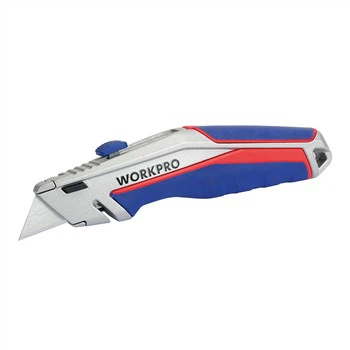
The design of the handle is one of the most essential components of ergonomic instruments. Hand tools include ergonomic handles that are crucial. Handles are designed to be comfortable to hold and to prevent the formation of pressure points that could be distressing to the user. They frequently make use of materials that are non-slip and supple to improve grip and prevent hand fatigue.
-
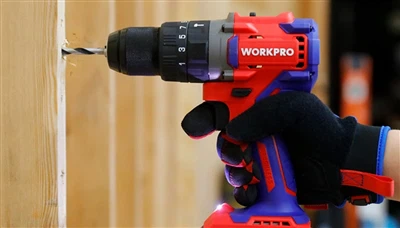
Reduction of Vibration: Certain instruments, such as drills, generate vibrations that might be exhausting to work with repeatedly. These vibrations are reduced by ergonomic instruments, which both make them more comfortable to use for longer periods and minimize the likelihood of conditions such as hand-arm vibration syndrome taking place.Some ergonomic tools have elements that may be adjusted, such as the height of the grip, the torque settings, or the handle positions. Because of this, users can tailor the tool to their particular requirements and the requirements of their working environment.
-
Compliance with Standards: Designers are responsible for ensuring that ergonomic hand tools comply with the norms and standards for ergonomics and safety that are established by the industry. The implementation of these standards helps to ensure that the tools available are both safe and effective to use.

3.How ergonomic hand tools affect safety and how they might be improved?
When it comes to the significance of ergonomics in hand tools, safety is of the utmost importance, and it is also one of the most crucial components. The use of a decent tool for an extended period should not result in any bodily problems. It is of the utmost significance to maintain one's physical health.
You work to enjoy the things you are performing, not to cause yourself damage. The ergonomic design of items guarantees that they are in tight alignment with your body, protecting your safety and ensuring
that you are comfortable while you are working.
The following are some of how these instruments might improve safety:
-
Reduction in the Risk of Injuries Ergonomic instruments are meant to reduce the amount of physical strain and discomfort that is experienced. When using a tool that is not ergonomically designed, it is normal to experience musculoskeletal problems such as strains and sprains. This helps lessen the likelihood of these injuries occurring.
-
Tool handles that are ergonomically designed offer a stable and comfortable grip, which contributes to improved control and grip. Users are less likely to lose control of the instrument as a result of this, which in turn reduces the likelihood of accidents and injuries that are brought on by slips or improper handling.
-
There is a reduction in the risks associated with vibrations. Certain tools generate vibrations that might result in conditions such as hand-arm vibration syndrome (HAVS). Tools that are ergonomically designed are outfitted with features that dampen or absorb vibrations, hence lowering the risk of HAVS and injuries that are associated with it.
-
Reduced Tiredness: When you use comfortable tools, you experience less fatigue, which can help you avoid making mistakes or mishaps.
In conclusion, ergonomics is the most important factor to consider when it comes to the design and selection of items, particularly hand tools with ergonomics. To the point that it is the most important consideration when choosing products for extended use in your job. Because of this, you should constantly take ergonomics in mind when selecting the tools, you choose to use.
FAQ
In the field of machine tools, what exactly is ergonomics?
When it comes to the tools industry, ergonomics refers to the process of designing tools and equipment to be user-friendly, safe, and efficient. This involves taking into consideration variables such as user comfort, prevention of fatigue, and safety measures.
In what ways is it essential to make use of ergonomic hand tools?
Because of several factors, it is essential to make use of ergonomic hand tools. By reducing the amount of physical strain and discomfort that workers experience, these technologies can assist in the prevention of musculoskeletal injuries and improve the overall well-being of workers.