In the ever-evolving landscape of tools and hardware, hand tools remain indispensable for professionals and DIY enthusiasts. As we move into the future, technological advancements and shifting consumer demands drive significant innovations in the hand tools industry. This blog will explore the latest trends and innovations that are shaping the future of hand tools, ensuring you stay ahead of the curve.
1. Smart Hand Tools: The Integration of Technology
Smart technology is making its way into almost every industry, and hand tools are no exception. The future of hand tools lies in their ability to integrate with digital technology, providing users with enhanced precision, efficiency, and data-driven insights. Imagine a wrench that tells you the exact torque applied or a screwdriver that connects to your smartphone to ensure you're using the correct setting for the task at hand. These innovations not only improve accuracy but also reduce the likelihood of errors, making them essential for professionals in the construction and automotive industries.
2. Ergonomics and User Comfort
As more people become aware of the long-term effects of repetitive strain injuries, the demand for ergonomically designed hand tools is on the rise. In the future, more tools will be designed with user comfort in mind, featuring improved grip materials, adjustable handles, and designs that minimize fatigue during extended use. These innovations are particularly important for professionals who rely on hand tools daily, such as carpenters, mechanics, and electricians.
3.Sustainable Materials and Eco-Friendly Design
Sustainability is no longer a buzzword; it's a necessity. The hand tools industry is responding by developing tools made from recycled or sustainable materials. Manufacturers are also focusing on creating durable tools that reduce the need for frequent replacements, thus minimizing waste. The future of hand tools will likely see a surge in eco-friendly products that appeal to environmentally conscious consumers, from bamboo-handled hammers to tools with minimal packaging.
4. Modular and Multi-Functional Tools
Space and efficiency are becoming increasingly important, especially for those working in compact environments or on the go. Modular and multi-functional hand tools are gaining popularity, offering versatility and convenience. These tools can be customized with interchangeable parts, allowing users to carry fewer tools while still being prepared for a wide range of tasks. The future will likely see even more innovative designs, such as a single tool that can transform from a screwdriver to a wrench with a simple adjustment.
5. Enhanced Durability and Longevity
With advancements in materials science, the durability of hand tools is reaching new heights. Future hand tools will be made from materials like carbon fibre composites and advanced alloys, offering unparalleled strength and longevity. This trend is particularly significant in industries where tools are subjected to extreme conditions, such as construction, mining, and aerospace.
6. Digital Tools for Maintenance and Calibration
The future of hand tools also includes the integration of digital solutions for maintenance and calibration. Tools equipped with sensors can now monitor wear and tear, alerting users when it's time for maintenance or calibration. This proactive approach ensures tools remain in optimal condition, reducing downtime and increasing productivity. Additionally, digital platforms can provide users with detailed analytics on tool usage, helping to refine techniques and improve efficiency.
7. Augmented Reality (AR) and Training Tools
Training and skill development are crucial in any industry, and hand tools are no different. The future will likely see the rise of AR-enabled training tools that provide real-time guidance and feedback. Whether you're learning how to use a new tool or mastering a complex technique, AR can overlay instructions directly onto your field of view, ensuring precision and accuracy. This innovation will be particularly beneficial for apprentices and those entering the trades, helping to bridge the skills gap.
8. Wireless and Cordless Innovations
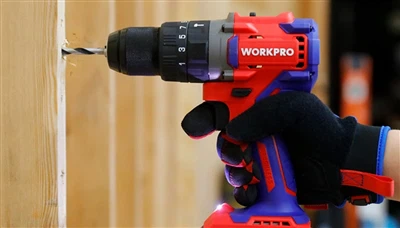
The shift towards cordless tools continues to gain momentum, offering greater mobility and convenience. The future will likely bring even more advanced wireless technologies, such as tools powered by long-lasting batteries with fast-charging capabilities. This trend is particularly relevant in construction and home improvement, where the need for mobility is paramount.
9.Conclusion
The hand tools industry is on the cusp of a technological revolution, with innovations that promise to enhance efficiency, safety, and sustainability. By staying informed about these trends, you can ensure that your toolbox is equipped with the latest and most advanced tools on the market. Whether you're a professional tradesperson or a DIY enthusiast, the future of hand tools holds exciting possibilities that will make your work easier, faster, and more enjoyable.