

The proper use of any equipment, especially hand tools, is critical to avoiding accidents and maintaining safety in the workplace. As a result, it is critical to grasp the proper use of hand tools and to learn more about each one before beginning to use them. In this blog, we will go through the proper usage of the most popular and basic hand tools and give you some pointers on how to make the most of them while avoiding injury or damage.
Hammers
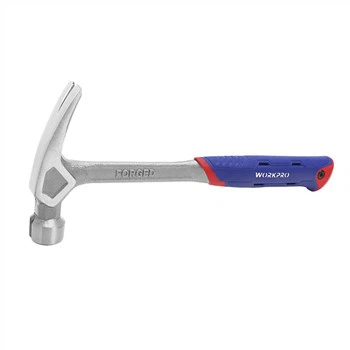
The hammer handles must match the hammer head in order to be used properly. The handle should be wedged firmly into the head and checked for any splinters or cracks. A handle with a soft plastic or leather coating is preferable to a solid steel handle. However, wood and fiberglass are now widely used for hammer handles.
It's advisable to start with light and accurate strikes while holding the handle close to the hammer's head when hammering a nail. Drive the nail in by holding the hammer at the end of the handle. Swing from the wrist for control and the elbow for power while using a hammer. Safety gear and equipment are also seen as essential when utilizing any kind of tool to ensure the safety of the person using it. When it comes to protecting yourself from flying debris, safety glasses and gloves are a necessity.

Screwdriver
For tightening or loosening screws, a screwdriver is an essential instrument. To begin with, make certain that the screwdriver's head and size fit the screws before using it. If you want to use a screwdriver correctly, you should hold the handle in one hand and the tip, near the screw, in the other. Then, apply force and twist until the screw grabs a hold, and make sure it goes in straight after that step.
However, even though screwdrivers are believed to be little and compact instruments, they still require regular maintenance. The screwdriver and screws are matched, in other words. As a result, a damaged screwdriver will prevent the screw from being processed. As a result, it's critical that you remember a few things so that you can keep them. Use a screwdriver to remove burrs or tighten or loosen the grip on your hand instead. Don't use the screwdriver handle to remove burrs or other metal items either. When the tip of the screwdriver becomes damaged or blunt, it is strongly recommended that you polish it.

Wrenches
Wrenches are a typical type of hand tool, and there are many distinct kinds available, each with a specific purpose and application. If you're using an adjustable wrench, for example, ensure sure the adjustable jaw is facing the user before pulling the wrench toward them while they're working. Using a pipe wrench on nuts is not recommended since the edges of the nuts or bolts are likely to break the teeth of the wrench jaws and render it dangerous for future uses. In addition, wrenches come in a variety of sizes, so it's important to choose the correct one for the job at hand. The leverage provided by the wrench handle is its maximum use, so using a piece of tubing to increase that leverage could be dangerous.

Pliers
Pliers are excellent for bending and compressing a wide variety of materials because they hold items firmly in place. Side cutting pliers, long nose pliers, utility pliers, diagonal cutting pliers, locking pliers, flat nose pliers, slide joint pliers, and end cutting pliers are just a few of the many variations available. Because of this, it is important to select the appropriate pliers for the task at hand. In addition, unless particularly designed for this purpose, pliers should never be used in place of another tool, such as a wrench, to complete a task or to cut hardened wire.
For further safety, they should not be subjected to high temperatures or other conditions that could alter the tool's performance. This could lead to them cracking or breaking or fracturing the edges by using them as a hammer, thus they should not be used this manner. When using pliers, keep in mind that they will not be able to hold onto nuts and bolts firmly. If you must cut wire with pliers, use a vise and use your free hand to grip the open end of the wire to keep the cut piece from flying. If you don't have access to a vise, you can use your foot to hold the wire in place. Wearing safety glasses, goggles or face shields is strongly recommended if there is the potential for flying particles, pieces of wire, and etc. to enter the eye area.

Hand Saws
The hand saw is one of the most useful woodworking hand tools for cutting pieces of wood into various forms in carpentry and woodworking. It is imperative that the blade be straight and the tension be just right before using a hand saw. Before you begin cutting, take a measuring tape to the desired cutting location and mark it with a pencil. Cut along the line, keeping your elbows in by your side and angling the saw at the correct angle.
Conclusion
Hand tools must be used properly and practiced until the user becomes comfortable with the feel of the tool in his or her hands before he or she may use it safely. Maintaining correct body posture while using hand tools is also critical to avoiding potential accidents. To be on the safe side, when using hand tools, be aware of the effects on your hands and fingers of exerting constant pressure on the handles of the items you're using. This can make it difficult to perform your job properly. That's why it's critical to choose tools that are both organic and standard.