When setting up a workshop, choosing between hand tools and power tools is a crucial decision that impacts everything from project efficiency to overall costs. Each type has its strengths, and understanding their differences can help you make an informed choice tailored to your needs. This guide will breakdown the benefits and drawbacks of both hand tools and power tools, helping you select the right combination for a functional and effective workspace.
1.Understanding Hand Tools: Classic Simplicity and Control
Hand tools, as the name suggests, are manually operated tools requiring no power source. They include hammers, screwdrivers, chisels, hand saws, and more. These tools are celebrated for their simplicity, reliability, and affordability.
Benefits of Hand Tools for Workshops
-
Precision and Control: Hand tools allow for greater control, making them ideal for tasks requiring intricate detailing, like carving or shaping wood and metals.
-
Cost-Effectiveness: Generally,hand tools are more affordable than power tools and have fewer parts prone to wear and tear, reducing long-term maintenance costs.
-
Safety: Since hand tools operate at aslower speed, there's generally a lower risk of serious injury compared to power tools, which can be beneficial for beginners.
-
Mobility and Versatility: Hand tools don'trely on electricity, so they'reportable and can be used anywhere, indoors or outdoors.
Limitations of Hand Tools
-
Labor-Intensive: Tasks that require repetitive force, like driving screws or cutting through hard materials, can be tiring and time-consuming with hand tools.
-
Limited Efficiency on Large Projects: When working on big projects, using hand tools alone can slow down progress and require more physical strength and stamina.
2.Power Tools: Efficiency and Precision at the Touch of a Button
What Are Power Tools?
Power tools are electrically or battery-powered tools that allow for faster, automated operation. Popular power tools include drills, electric saws, sanders, and angle grinders.
Advantages of Power Tools in Your Workshop
-
Speed and Efficiency: Power tools area significant time-saver on larger projects, allowing you to work more efficiently.
-
Consistency and Precision: With features like adjustable settings, power tools provide consistent results, which is crucial for repetitive tasks or projects demanding high precision.
-
Reduced Physical Strain: Since power tools handle much of the force required, they reduce physical fatigue, allowing you to work longer without tiring.
-
Enhanced Capabilities: Some power tools, like rotary tools and power sanders, offer functionalities that can't be replicated with hand tools, expanding your workshop's capabilities.
Drawbacks of Power Tools
-
Higher Initial Investment: Power tools tend to be more expensive upfront and may require regular maintenance to ensure functionality.
-
Safety Concerns: Power tools operate at high speeds, increasing the risk of injury, especially for beginners. Proper handling and safety gear are essential.
-
Dependency on Power Sources: While battery-operated power tools exist, corded tools require a power source, limiting their portability.
3.Comparing Hand Tools and Power Tools by Workshop Need
-
Precision Work: Hand Tools Shine in Detail-Oriented Projects: For tasks requiring finesse, like woodworking, hand tools often outperform power tools. They allow users to feel the material, providing better control for intricate cuts and detailing.
-
High-Volume Production: Power Tools Save Time: When tackling large-scale projects, power tools excel by enabling you to produce high-quality results faster. For workshops focused on productivity and speed, power tools are often a better investment.
-
Budget Considerations: Weighing Initial and Long-Term Costs: If you're just starting and have a limited budget, hand tools provide an affordable entry point. For long-term investment, however, power tools may save time and reduce labour, which could balance out their higher initial cost.
4.Essential Hand Tools for Every Workshop
Whether you decide to prioritize hand tools, power tools, or a mix of both, some hand tools are essential staples in any workshop:
-
Hammer: For tasks involving nails and general repair, a claw hammer is invaluable.
-
Screwdrivers: Both Phillips and flathead screwdrivers are useful for adjusting, fixing, and assembling various parts.
-
Tape Measure: Accurate measurements are critical to successful projects.
-
Hand Saw: For simple woodcuts, a quality hand saw is versatile and easy to use.
-
Chisels: Essential for woodworking, chisels help you shape and carve materials with precision.
5.Must-Have Power Tools for Maximum Efficiency
Power tools can elevate your workshop's capabilities. Some essential power tools include:
-
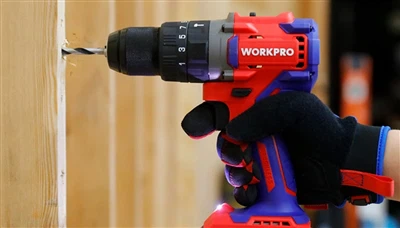
Power Drill: A versatile tool for drilling holes and driving screws quickly.
-
Circular Saw: Ideal for making quick, accurate cuts through wood and other materials.
-
Angle Grinder: Perfect for grinding, polishing, and even cutting through tough materials.
-
Power Sander: Ensures smooth finishes on wood, metal, and plastic surfaces.
-
Jigsaw: A highly adaptable cutting tool for making complex shapes in wood and metal.
6.Final Thoughts: Hand Tools vs. Power Tools - A Balanced Workshop Approach
Ultimately, the choice between hand tools and power tools depends on your workshop goals, budget, and personal preferences. A balanced workshop with a blend of both hand and power tools often provides the greatest flexibility, allowing you to tackle a range of projects with precision and efficiency. Whether you're an occasional DIYer or a seasoned craftsman, building a toolkit that aligns with your needs will help you achieve your project goals.
By selecting the right tools and understanding how to use them, you can create a workshop that enhances productivity, creativity, and safety. So, assess your needs, set your budget, and start building a toolkit that will support your crafting journey for years to come!