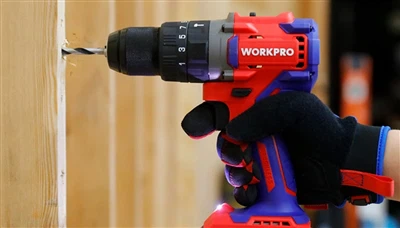
The air conditioner has ceased functioning, dirty clothes are heaped in the broken washing machine, power tools are malfunctioning, the sink is leaking, screws are scattered around, and the furniture is gradually falling apart, piece by piece. Horrifying, isn't it? This is merely a glimpse of the chaos that would ensue in the absence of hand tools.
These often-overlooked superheroes are indispensable for ensuring control, precision, and accuracy in a multitude of daily tasks. Whether you are a DIY enthusiast, a professional carpenter, or an engineer, utilizing hand tools such as pliers, screwdrivers, wrenches, and hammers allows you to manage various tasks more effectively and efficiently.
The uses of hand tools are as vast and diverse as their varieties. These tools can be employed for fastening, shaping, measuring, cutting, and many other tasks across various fields, including home repair and maintenance, construction, woodworking, metalworking, electrical work, and even jewellery making. While power tools can address a wide range of problems, hand tools offer a more versatile, cost-effective, and user-friendly alternative.
Let us explore how hand tools can be of great assistance to you!
Hand Tools and Their Uses
Hand tools, an indispensable part of any modern toolbox, have a history as long as human civilization itself. Initially developed for survival and to accomplish challenging and seemingly impossible tasks, these tools represent a continually evolving legacy passed down from our ancestors.
The earliest hand tools, fashioned from sharp stones, were used for hammering and cutting various materials during the Stone Age. With the advent of the Bronze Age, the casting of copper and tin alloys became the primary method for creating hand tools, resulting in implements that were sharper and stronger than their stone predecessors. In the subsequent Iron Age, iron tools supplanted those made of bronze, offering superior strength and durability.
The tools most closely resembling our modern hand tools were crafted by the Romans. These were practical implements designed for a variety of applications, yet they were still meticulously made by hand. With the advent of the Industrial Revolution, the production of tools, much like numerous other goods, shifted from the hands of skilled craftsmen to mechanized factory production.
The rudimentary tools that once aided us in hunting and constructing shelters have since evolved into sophisticated instruments capable of performing more complex tasks. Let's delve deeper into the various hand tools and their applications across different industries:
1.Metalworking
Metalworking necessitates a wide array of tools and equipment. Given the hard and seemingly impenetrable nature of metal, one might assume that the toolkits of metalworkers are exclusively comprised of power tools, such as angle grinders and welding machines. However, this is a misconception. To accurately shape and manipulate metal, metalworkers also rely on a diverse assortment of hand tools.
A hammer is among the most frequently utilized hand tools in metalworking. Even if you have never personally visited a blacksmithing workshop, you have likely witnessed one in use on television. Blacksmiths depend on hammers to shape extremely hot metal, meticulously adjusting its thickness through precise hammering strokes. An additional significant utilization of hand tools pertains to the cutting of metal sheets, primarily facilitated by snips and shears. Their cutting capacity varies depending on the style, accommodating both smaller and larger pieces.
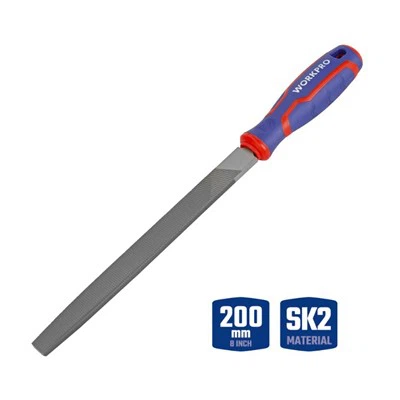
Lastly, files and rasps serve as essential metalworking hand tools employed to achieve a refined finish or undertake intricately delicate tasks. Available in diverse shapes, including round or square, and offering varying degrees of roughness, they cater to a broad spectrum of applications.
2.DIY Projects
The realm of do-it-yourself (DIY) projects encompasses a remarkably diverse array of endeavours, spanning from the construction of a treehouse to the crafting of personalized Christmas cards. The spectrum of possibilities is vast and virtually limitless. Numerous smaller-scale DIY tasks can be accomplished without the necessity of power tools, emphasizing the significance of hand tools and their multifaceted applications.
A pair of scissors exemplifies a versatile tool capable of effortlessly cutting and shaping various materials. Similarly, a cutter or utility knife stands out as another immensely valuable DIY hand tool. Primarily employed for slicing both straight and curved lines, these knives find utility in materials such as paper, cardboard, and leather.
Furthermore, screws, bolts, and nuts play integral roles in DIY projects, necessitating the use of screwdrivers and wrenches for their fastening and tightening. Moreover, cutting constitutes yet another fundamental task within DIY endeavours, underscoring the practicality of a suitable saw.
3. Jewelry Making
Crafting jewellery demands a meticulous level of precision. Consequently, the utilization of hand tools renowned for their accuracy becomes imperative. Various types of pliers, such as combination, bent nose, and long nose, are employed to fashion exquisite pieces. Furthermore, needle files play a crucial role in attaining a refined surface and impeccable finish. These files meticulously eliminate any surplus material, thereby leaving a lustrous and flawlessly smooth texture behind.
4.Electrical Work
The utilization of manual hand tools within the realm of electrical work enables electricians to execute tasks involving wires with enhanced control and precision.
Among the most indispensable hand tools for electrical endeavours are pliers, which offer a diverse array of functionalities including cutting, bending, twisting, gripping, and even straightening wires. Ranging from combination pliers to long nose pliers and diagonal cutting pliers, each type serves distinct yet essential purposes in various applications.
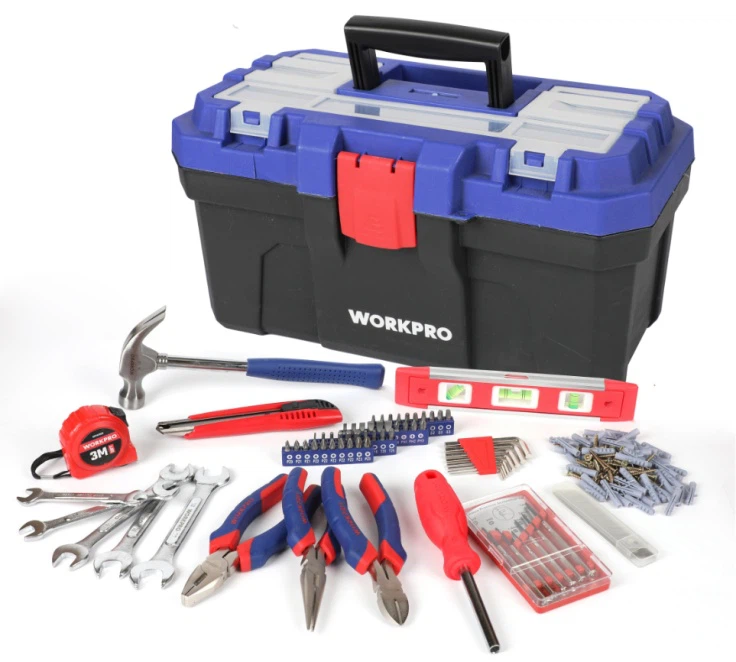
Screwdrivers constitute another indispensable component within an electrician's arsenal, with numerous professionals favouring versatile options equipped with interchangeable bits to streamline their workload. Measuring tapes and spirit levels also assume a pivotal role in electrical endeavours. Precision in measurements is paramount when navigating wiring complexities, rendering a top-tier measuring tape an imperative asset.
Furthermore, a spirit level proves immensely beneficial for the installation of light fixtures, ensuring meticulous alignment. Given the routine nature of stripping plastic coatings from wires to unveil the copper within for tailored connections, a wire stripper emerges as the optimal tool for the task, offered in diverse variants to accommodate individual preferences.
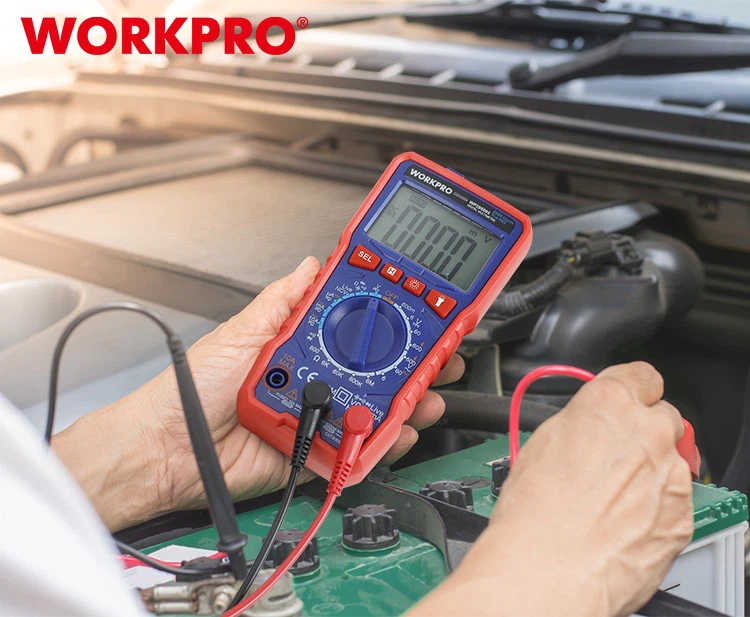
Finally, a non-contact voltage tester, also known as a test pen, constitutes an essential hand tool for electricians. These invaluable instruments serve the crucial purpose of safely detecting voltage in wires or devices before commencing work on them, thereby ensuring heightened safety measures.
5.Woodworking and Carpentry
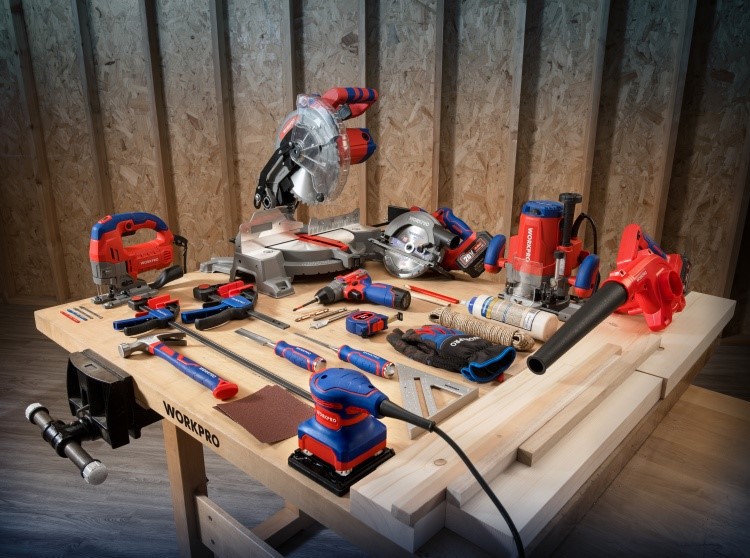
Proficient carpenters benefit from a diverse range of applications for hand tools. Before the dominance of corded and cordless tools in the woodworking and carpentry sector, craftsmen relied predominantly on manual labour. Despite the advent of technological innovations, the indispensability of hand tools persists in contemporary times.
Precision cutting is an indispensable aspect of woodworking, facilitated by an array of specialized wood- cutting saws tailored to diverse applications. These tools are adept at executing tasks ranging from producing straight, coarse cuts to delicately crafting curved lines. Additionally, the woodworking domain frequently involves tasks such as driving and extracting nails, for which the claw hammer emerges as an optimal implement, renowned for its effectiveness and versatility.
Moreover, the chisel stands as another indispensable hand tool within woodworking, serving multiple purposes including carving and refining joints and saw cuts.
6.Gardening
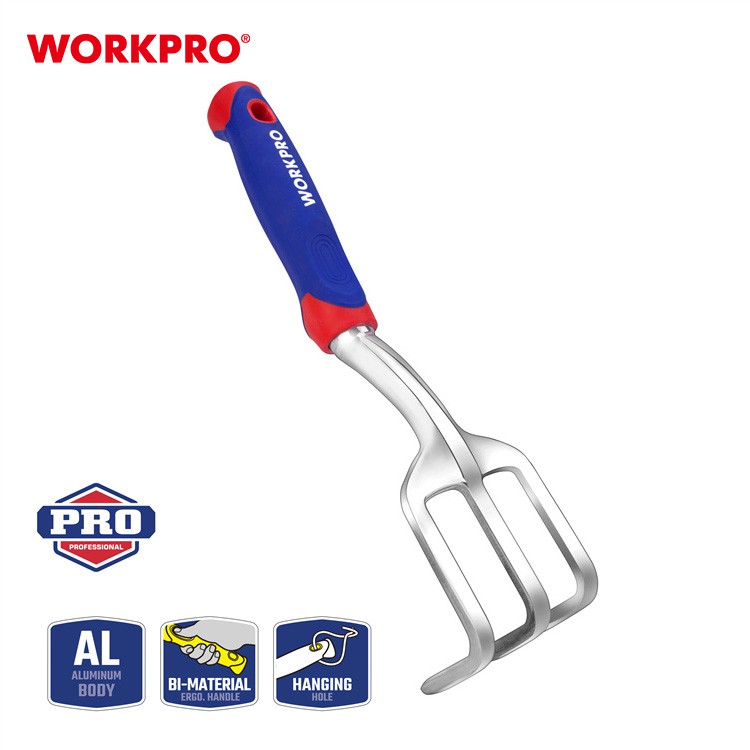
In the realm of gardening, the absence of hand tools would render the task arduous and formidable. Despite the capability of power tools to execute various gardening duties, certain gardeners uphold a preference for the dependability and adaptability of manual implements. Notably, one significant advantage of gardening hand tools lies in their cost-effectiveness relative to electrically powered alternatives. A fundamental hand tool requisite for gardening is the wheelbarrow. The possession of a wheelbarrow or a garden cart notably facilitates labour in expansive gardens or yards. With a wheelbarrow, the effortless transportation of soil and other elements becomes feasible.
Additionally, an indispensable hand tool for any garden is the digging shovel. This tool proves essential for excavating holes in the ground for planting purposes and transferring dirt from the wheelbarrow. Furthermore, digging shovels serve admirably for agitating compost heaps and blending potting soil.
7.Repairing Cars
Automotive technicians typically employ a diverse array of manual instruments during the process of car repair, with wrenches assuming a paramount role among them. Given the multitude of nuts and bolts integral to a vehicle's construction, the indispensability of wrenches for tightening and loosening these components becomes evident.
Expansion bars, ratchets, screwdrivers, hammers, and pliers are commonly utilized tools in automotive repair. Having acquainted yourself with the diverse array of hand tools and their applications across various domains, it is now opportune to delve deeper into the proper methodologies for employing these indispensable and versatile aides.