Pliers are essential tools used in various industries for griping, bending, and cutting materials. They come in different shapes, sizes, and types, each with unique characteristics and functions. In this article, we will explore the characteristics and uses of different types of pliers.
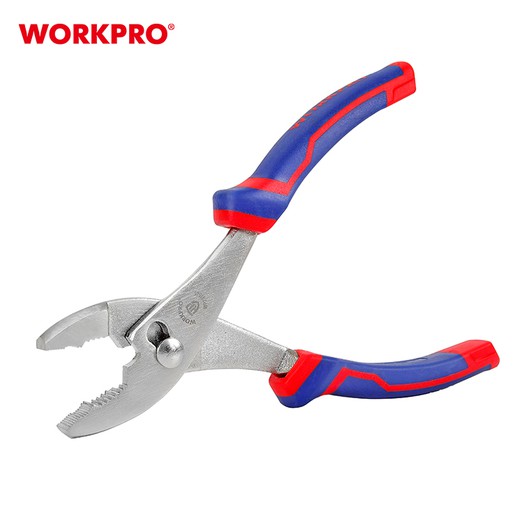
1. Slip Joint Pliers
Slip joint pliers are a commonly used type of pliers that feature an adjustable pivot point that enables the jaws to extend and retract. These pliers are perfect for gripping bolts, nuts, and other materials of varying sizes. They come in different sizes, with some small enough to fit in your pocket, making them an ideal tool for mobile repair work.
2. Long Nose Pliers
Long nose pliers are characterized by their long and slender jaws that taper to a point. These pliers are ideal for reaching into tight spaces where regular pliers can't reach. Their long nose makes them the perfect tool for gripping, bending, and cutting small wires and objects. They are also commonly used by jewelry makers and electricians.
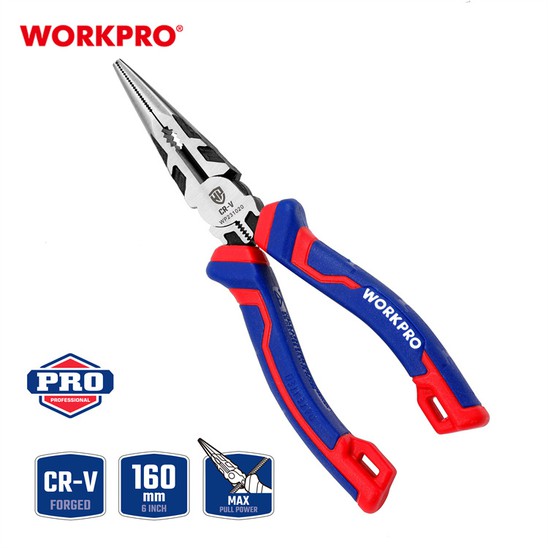
Click for more: WORKPRO Long Nose Pliers
3. Cutting Pliers
Cutting pliers are designed for cutting hard materials like metals, bolts, nails, and wires. They come in different shapes and sizes, with some featuring hardened and sharpened blades that slice through materials with ease. These pliers come equipped with comfortable grips to ensure that users can use them for extended periods without experiencing any discomfort or fatigue.
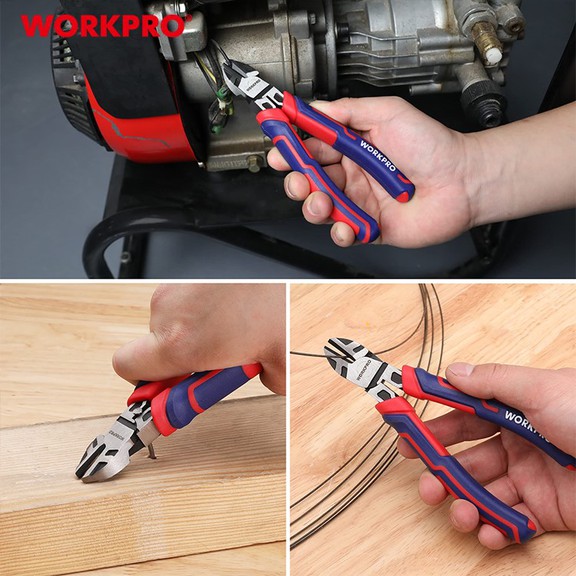
Click for more: WORKPRO Cutting Pliers
4. Locking Pliers
Locking pliers, also known as Vise-Grip pliers, have jaws that lock onto the material being handled, providing a strong and secure grip. They are perfect for gripping stubborn nuts, bolts, and other materials that regular pliers would slip off. Locking pliers come in various sizes, with long-handled versions being the most popular.
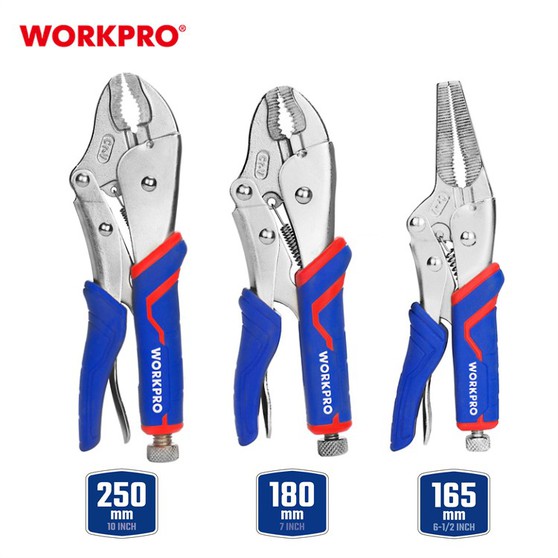
Click for more: WORKPRO CR-V Locking Pliers Set
In conclusion, the use of pliers is essential in various industries and tasks like jewelry making, metalworking, and electrical work. Understanding the type of pliers best suited for a specific task is crucial in achieving the desired results. Remember always to use pliers that are in good condition, with comfortable and secure grips to avoid accidents and damage to the material being handled.